





Last medically updated: December 2025
This article has been revised in terms of content and adapted to current medical findings.
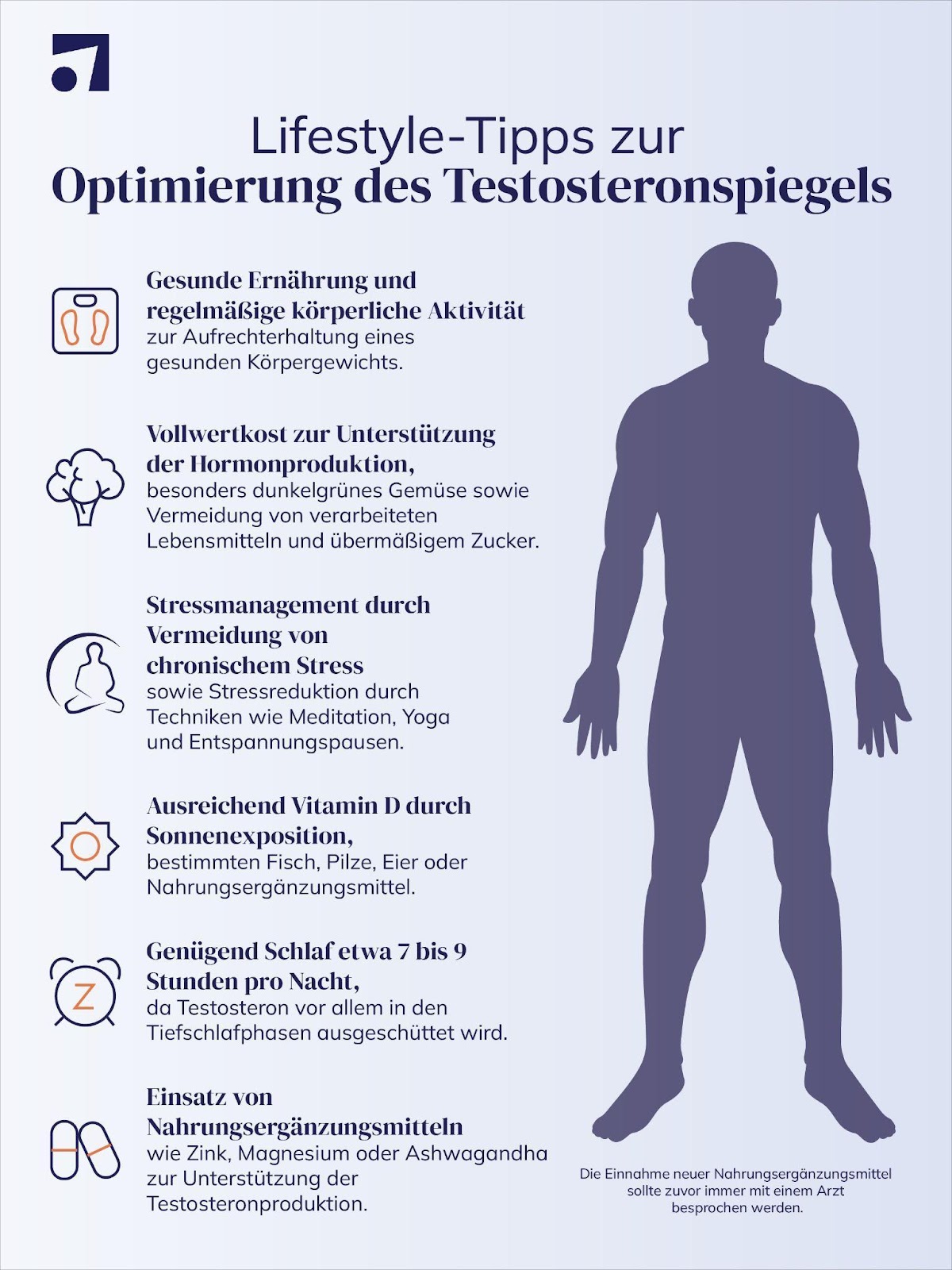
A healthy testosterone level is influenced by many factors, including sleep, diet, exercise, and stress. These lifestyle factors can support the body's own testosterone production, but they do not replace medical therapy in cases of clinically relevant deficiency.
A key point here is the realization that our daily choices—what we eat, how we exercise, how we sleep, and how we manage stress—have a profound impact on our hormonal balance. Targeted, natural testosterone boosting can therefore make a significant difference. For example, natural "testosterone boosters," in the form of specific nutrients in our diet, can play a crucial role. Foods rich in vitamins, minerals, and essential fatty acids (Moustafa, 2021) act as powerful, natural boosters and are easy to integrate into everyday life.
Including certain foods—such as lean meat, fish, eggs, and nuts—can significantly contribute to increasing testosterone levels (Allen & Key, 2000) . For those seeking additional support, certain over-the-counter supplements like zinc, magnesium, and vitamin D may be helpful (Netter et al., 1981) . However, these "testosterone supplements" should always be used in consultation with a doctor. Similarly, physical activity, especially resistance training, is known to increase natural testosterone. Regular exercise not only promotes muscle growth but also improves overall well-being (Riachy et al., 2020) .
The role of sleep should not be underestimated. Optimal sleep quality is crucial for naturally increasing testosterone. Deep, restful sleep promotes the body's regeneration and thus natural testosterone production (Agrawal et al., 2022) . The importance of stress management should also not be overlooked. Chronic stress can negatively impact testosterone levels (Xiong et al., 2021) . Therefore, it is important to develop effective stress management techniques to prevent this.
In this article, we show which measures are useful according to current research, where their limits lie, and when a medical assessment is necessary.
Why naturally increasing testosterone is so important
Testosterone is responsible for many important functions, from muscle building (The Physiological Society, 2019) Testosterone affects everything from achieving and maintaining erections to bone health and red blood cell production (Meinhardt, 2010) . Therefore, maintaining normal testosterone levels, which vary from person to person, is crucial.
There are several natural ways to boost your testosterone and prevent it from becoming too low. "Too low" is generally defined for total testosterone as below 12.1 nanomoles per liter (nmol/l) ( Male Hypogonadism - UROweb , n.d.) , although most doctors are equally concerned about any related symptoms you might experience, such as low libido, fatigue, irritability, and erectile dysfunction. Typically, both your lab results and your symptoms will be considered before prescribing testosterone replacement therapy (Lunenfeld et al., 2015) .
The goal is overall well-being. Not everyone with low testosterone levels experiences symptoms. The effects vary depending on the individual, their age, height, and physical fitness. Testosterone, produced in the testicles, declines with age. After your 30s or 40s, you can expect it to decrease by about 1 to 2 percent each year (Stanworth & Jones, 2008) . This process of slow but steady decline has been consistently demonstrated in several large epidemiological studies (Kaufman & Vermeulen, 2005 , Vermeulen et al., 1996) . According to another study, up to 40% of men over 45 are affected by testosterone deficiency (Mulligan et al., 2008) .
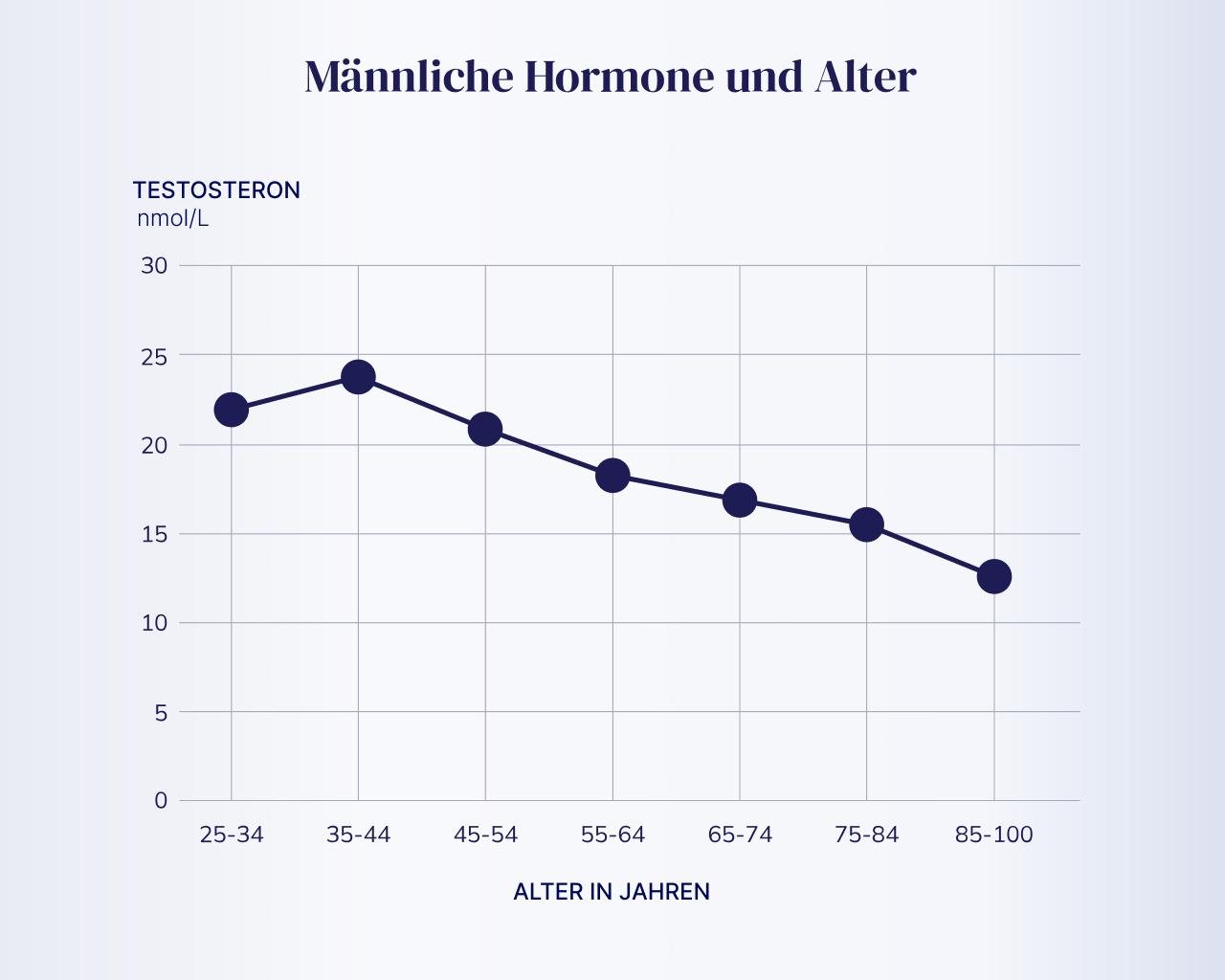
Aging is something you can't control, of course. But you can control other factors that contribute to low testosterone. There are several ways to naturally boost your testosterone or at least help prevent your levels from getting too low. Adon Health supports you in taking full advantage of these possibilities.
Natural ways to boost your testosterone levels
Higher testosterone levels are not necessarily better, and they are in no way linked to masculinity. It is rare for men to naturally have excessively high testosterone levels, which can lead to low sperm count, high blood pressure, and mood swings. However, excessively low levels are also undesirable, as they can cause a range of symptoms such as persistent fatigue or erectile dysfunction (Zitzmann et al., 2006) . Here are some natural methods to help keep your testosterone levels balanced.
1. Nutrition: The basis for hormonal balance
A balanced diet rich in essential nutrients forms the basis for maintaining optimal hormonal balance (Allen & Key, 2000) . Foods high in omega-3 fatty acids, such as salmon, walnuts, and flaxseeds, are essential for positively influencing androgenic hormone levels (Abbott et al., 2020) . These nutrients are crucial for the synthesis of steroid hormones, including testosterone. The targeted intake of micronutrients, including key vitamins such as vitamin D (Nimptsch et al., 2012) and B complex, as well as minerals like zinc (Netter et al., 1981) and magnesium (Çınar et al., 2010) , plays a central role in testosterone production. Adequate intake of these important nutrients is therefore indispensable.
Furthermore, the inclusion of secondary plant compounds, such as flavonoids and antioxidants, which are found in many fruits and vegetables, promotes detoxification processes and thus protects against hormonal imbalances caused by environmental toxins. This holistic nutritional approach enables the body to optimize endocrine function and thus contributes to a natural increase in testosterone. Individual foods cannot compensate for a deficiency, but they do contribute to a stable hormonal environment. Avoiding excessive sugar and processed foods is another important step in promoting healthy testosterone levels. These foods can lead to an increase in insulin levels, which in turn can negatively affect testosterone production (Chen et al., 2018) .
2. Physical activity: More than just muscle building
Regular exercise is essential for naturally regulating and optimizing testosterone levels. Targeted training can not only naturally increase testosterone levels but also effectively prevent potential side effects of testosterone replacement therapy (TRT), such as weight gain. A varied training program that includes both strength and endurance elements has proven particularly effective in promoting natural testosterone increases (Riachy et al., 2020) .
Strength training, especially exercises that target large muscle groups, stimulates testosterone production and thus promotes muscle growth (Hooper et al., 2017) . Endurance training, such as running or cycling, supports cardiovascular health and contributes to improved overall physical fitness, which indirectly influences testosterone levels. Furthermore, regular physical activity supports metabolism and helps reduce body fat—an important aspect, as higher body fat percentage is associated with lower testosterone levels (Wittert et al., 2003) . Fat tissue contains the enzyme aromatase, which converts testosterone into estradiol. Therefore, a higher percentage of body fat can contribute to lower testosterone levels. Integrating targeted exercise into daily life is thus an effective way to support the body in naturally achieving and maintaining hormonal balance. Extreme endurance training or chronic overtraining, on the other hand, can lower testosterone levels (Hackney & Aggon, 2018) .
3. Sleep quality: Essential for hormone balance
Healthy and restful sleep plays a crucial role in maintaining hormonal health. Establishing regular sleep habits and ensuring you get enough rest each night is important. Good sleep hygiene, including a dark, cool bedroom and avoiding screens before bed, significantly contributes to improving your sleep quality.
Deep, uninterrupted sleep supports the regulation of important hormones, including testosterone. Research shows that a lack of sleep, particularly a reduction in REM sleep phases, can lead to a decrease in testosterone levels. (Agrawal et al., 2022) . Even just a few nights of reduced sleep can significantly lower testosterone levels. It is also helpful to develop routines that facilitate the transition to sleep, such as relaxation techniques or light reading. The goal should be to create an environment that supports not only physical recovery but also mental relaxation. This allows the body to regenerate more effectively during the deep sleep phases, which are important for testosterone production (Patel et al., 2018) .
4. Stress management: Influence on hormonal well-being
Chronic stress is a known disruptive factor for hormonal regulation, particularly for testosterone levels. This stress state leads to the activation of the hypothalamic-pituitary-adrenal (HPA) axis, which in turn increases cortisol release and, in a negative feedback loop, can inhibit testosterone production. Consequently, persistently high cortisol levels can significantly impair natural testosterone production (Xiong et al., 2021) .
To counteract these negative effects, the implementation of effective stress reduction techniques is essential. Meditation, for example, can reduce stress-induced activity in the amygdala and thus decrease the production of stress hormones. Mindful movement, such as yoga or tai chi, not only supports physical health but also has a calming effect on the mind and thus promotes hormonal balance (Gothe et al., 2016) .
Similarly, keeping a journal can have a therapeutic effect by helping to identify and process stressors. This contributes to reducing psychological strain, which in turn has a positive effect on testosterone levels. An integrative approach that considers both psychological and physical aspects is therefore crucial to supporting natural testosterone production and promoting hormonal health.
5. Natural food supplements: Support from within
Certain micronutrients play a central role in endocrine regulation, particularly in the synthesis and secretion of testosterone. These include trace elements such as zinc and magnesium (see above), but also vitamins such as vitamin D. Vitamin D, for example, is important for modulating testosterone production. Low vitamin D levels have been associated with reduced testosterone concentrations in the blood (Nimptsch et al., 2012) . Therefore, targeted supplementation of these micronutrients, for example in cases of diagnosed deficiency, can have a positive effect on natural testosterone production.
Additionally, ashwagandha, an adaptogenic herb, is known for its ability to reduce stress and support hormonal balance. Studies have shown that ashwagandha intake can lead to a significant increase in testosterone levels (Smith et al., 2021) . This effect is attributed to the optimization of adrenal function and the reduction of cortisol, a hormone negatively correlated with testosterone. Other herbs, such as Tongkat Ali (Leisegang et al., 2022) and fenugreek (Mansoori et al., 2020), have also been associated with increased testosterone levels in adult men in studies.
However, it is essential to consult a qualified healthcare professional before taking any supplements, including adaptogenic herbs like ashwagandha. This ensures that the supplementation is appropriate and does not interact with existing health conditions or medications. By taking an evidence-based and holistic approach, you can effectively boost testosterone levels naturally and promote hormonal health. Many so-called "testosterone boosters" lack scientific evidence. Supplementation is only beneficial if there is an actual deficiency, for example, of vitamin D or zinc.
6. Moderate alcohol consumption: Avoiding harmful substances
Excessive alcohol consumption is a known risk factor for hormonal dysregulation. Ethanol, the active ingredient in alcohol, affects testicular function and inhibits the release of important hormones from the pituitary gland. These hormonal changes result in reduced testosterone production in the testes. Moderate alcohol consumption or complete avoidance can significantly contribute to maintaining hormonal health (Jensen et al., 2014) .
In addition to the effects of alcohol, nicotine consumption also plays a role in influencing testosterone levels. Nicotine can induce oxidative stress responses in the body and promote inflammatory processes, which can negatively affect testosterone-producing cells. Furthermore, nicotine consumption can lead to an increase in cortisol levels, which has an antagonistic effect on testosterone (Zhao et al., 2016) . Therefore, considering alcohol and nicotine consumption is an important aspect of a holistic view of hormonal health. Avoiding or reducing these substances can effectively contribute to maintaining balanced testosterone levels and overall health.
7. Avoiding environmental toxins: Protecting your hormonal balance
Certain environmental chemicals and toxins, known as endocrine disruptors, have the ability to disrupt the body's hormonal system. These disruptors are found in a variety of sources, including pesticides, plasticizers such as bisphenol A (BPA), and certain industrial chemicals. These substances can bind to hormone receptors or affect the synthesis, transport, metabolism, and excretion of natural hormones in the body, potentially leading to dysregulation of hormonal activity (Diamanti-Kandarakis et al., 2009) . To minimize exposure to these disruptors, it is advisable to use products that are free of such chemicals. Using natural and certified organic products in everyday life can reduce the risk of exposure to endocrine-disrupting substances.
8. Regular medical check-ups: Monitoring your hormone levels
Regular medical checkups are an essential part of monitoring and maintaining a healthy hormonal balance. They are especially critical if you are undergoing testosterone replacement therapy (TRT). These checkups not only monitor your testosterone levels but also other important parameters that are crucial for assessing your overall hormonal health. In addition to monitoring testosterone levels, other factors such as general health, lifestyle changes, and the occurrence of symptoms should also be considered during regular medical checkups. For persistent symptoms and consistently low testosterone levels, lifestyle changes alone are often insufficient. In these cases, a medical evaluation is necessary to determine the underlying causes and discuss appropriate treatment options.

Case study: How Marc got out of his slump with the help of TRT and targeted lifestyle coaching
Marc, 41, is a sales manager at a medium-sized company. Between field work, client meetings, and family life, there was hardly any time for rest. For months, he felt increasingly exhausted, even though he thought he was getting enough sleep. His motivation waned, his waistline grew, and his performance stagnated in his workouts. At the same time, he noticed a decreasing libido and frequent bouts of low mood.
A check-up with comprehensive laboratory diagnostics confirmed what Marc already suspected: his testosterone level was low. He also exhibited clear symptoms of functional testosterone deficiency. Instead of waiting any longer, he decided, after consulting his doctor, to begin medically supervised testosterone replacement therapy (TRT).
More than just a hormone: The combination makes the difference
Alongside TRT, a comprehensive plan was developed to optimally support hormonal balance and ensure the therapy's long-term effectiveness. This is because the correct testosterone dose alone is rarely sufficient if diet, sleep, and stress management are not aligned.
Marc made deliberate changes:
- Nutrition : Away from sugar and highly processed products, towards a protein-rich, micronutrient-rich diet with healthy fats, fish, nuts and vegetables.
- Micronutrients : Targeted correction of deficiencies in vitamin D, magnesium, and zinc, which are crucial for the effectiveness and utilization of testosterone.
- Training : Regular strength training focusing on basic exercises to support the body's own testosterone production and reduce body fat.
- Sleep : Introducing evening routines, avoiding blue light, and sleep tracking to improve regeneration
- Stress management : Short daily routines with breathing exercises, reflection, and active break planning.
The result: Sustainable change through the interplay of lifestyle and medically supervised testosterone therapy.
After four months, not only had his testosterone levels stabilized at the upper end of the normal range, but Marc himself felt like a completely different person. His energy was back, his sleep was deep and restful, his libido had normalized, and his physical performance had noticeably improved.
"I thought testosterone was just a drug. Today I know: The therapy is the key, but the rest of my lifestyle determines how effective it is."
Why this approach is so effective
TRT is not a substitute for a healthy lifestyle, but it can help precisely where motivation, energy, and self-regeneration are no longer sufficient. Especially in cases of functional hormone deficiencies, individually dosed, medically supervised TRT, combined with targeted lifestyle changes, can offer tremendous potential.
Marc demonstrates how important it is to look not only at lab results, but at the overall picture. With medically supervised TRT and a conscious change in his habits, he was able to gradually regain his quality of life.
Test your testosterone levels now!
Our conclusion, your knowledge
By integrating these eight key elements into your daily routine, you can significantly impact your health and maximize the effectiveness of your testosterone replacement therapy (TRT). These aspects include a balanced diet, regular exercise, healthy sleep, stress management, avoiding alcohol and nicotine, minimizing exposure to environmental toxins, selecting appropriate nutritional supplements, and regular medical checkups. Each of these points contributes to naturally increasing or stabilizing your testosterone levels and supports the maintenance of optimal hormonal balance. At Adon Health, we are committed to supporting you in this process by providing the necessary resources and information to effectively manage your health and hormonal balance.


