




Adon Health and Movember: Why we take responsibility
In November, a global issue takes center stage that still receives too little attention: men's health. Every year, millions of men grow a mustache to raise awareness for the prevention, early detection, and treatment of prostate cancer, testicular cancer, and mental health conditions. Movember is a global health initiative with real impact. For us, as a platform for modern men's health, actively supporting this movement is a given. Not just as a campaign, but as an integral part of our corporate identity. In 2025, we implemented internal and public initiatives to raise awareness, share knowledge, and get people moving.
Why a mustache?
The visible growth of the mustache is intended to spark conversations about topics many men otherwise avoid. Diseases like prostate or testicular cancer are often detected late, and mental health issues are frequently left unaddressed. The "Grow a Mo" principle therefore follows a simple goal: visibility creates awareness, awareness creates dialogue, and dialogue leads to earlier engagement with one's own health. Numerous team members at Adon Health have also grown their mustaches this year as a clear sign that we share the mission behind Movember.
Individual health goals within the team
For us, Movember is more than just a symbolic gesture. Many of our team members have set personal goals to improve their mental or physical health: regular meditation, exercise routines, endurance goals, and consciously designed recovery periods. The idea behind it: men's health begins in everyday life, not just in medical facilities.
Move for Movember: Exercise for mental health
A core aim of Movember is the prevention of mental illness. Movement initiatives like "Move for Movember" address this directly: 60 kilometers in November symbolically represent the 60 men who die by suicide every hour worldwide. We in Munich have also implemented two formats to combine exercise and health education: Adon Health x F45 Obersendling: Community Workout

 Together with F45 Obersendling, we organized two training sessions, accompanied by a short presentation from our founder, Dr. Jonathan Apasu, on the influence of hormonal health on energy, sleep, regeneration, and mental stability. The event once again demonstrated the close connection between lifestyle, prevention, and performance.
Movember Community Run with Blendr and NVRSTP


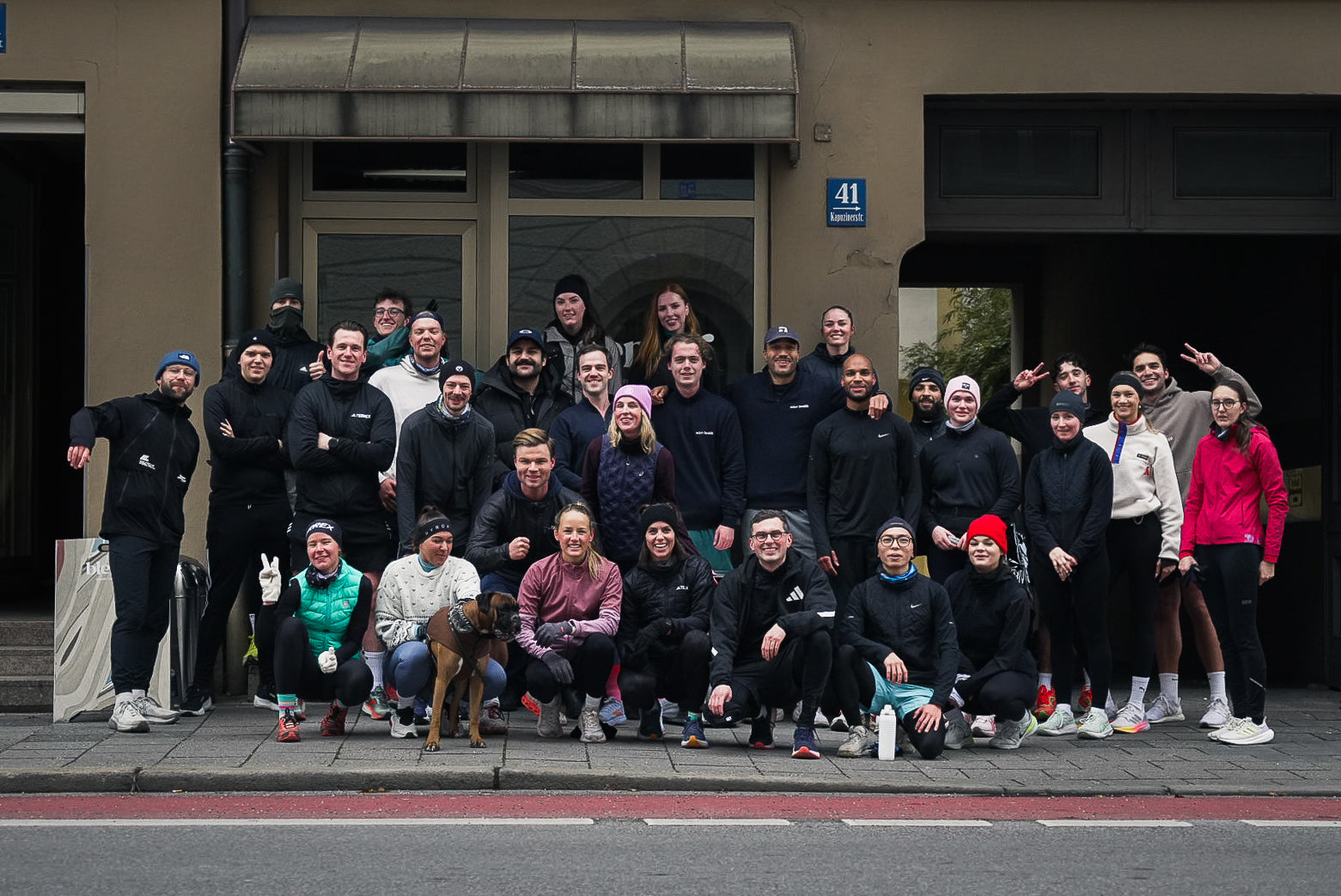
On November 22nd, our Movember Community Run took place in cooperation with the Munich Run Club NVRSTP and the Blendr Bar. Participants ran five kilometers through Munich, accompanied by short presentations on hormone health and a specially developed Movember Shake from the Blendr Bar. It was a format that promoted exchange, activity, and health awareness in equal measure.
Keynotes and presentations: Responsibility also in a corporate context
Another focus this Movember was engaging with businesses. Dr. Jonathan Apasu visited several leading organizations this year, delivering keynote speeches on modern men's health, prevention, and hormonal balance. The response was clear: companies are increasingly recognizing the role men's health plays in performance, mental well-being, and employee satisfaction. The fact that companies actively invite us is a strong indication of a growing willingness to structurally integrate health considerations—and of the relevance of this topic in the workplace. Further information about our services for businesses can be found here: Services for Businesses .
Why Adon Health supports Movember
The mission of Movember aligns with the central challenges of modern men's health: insufficient prevention, low willingness to talk about it, late diagnoses, and lack of visibility. As a digital health platform that provides men with structured access to diagnostics, knowledge, and medical care, we see it as our responsibility to advance these issues – both internally and externally. Our initiatives in November are one component of this responsibility. However, the real task begins far beyond Movember: with sustained education, easily accessible diagnostics, reliable healthcare structures, and a willingness to recognize men's health as a societal issue.


