



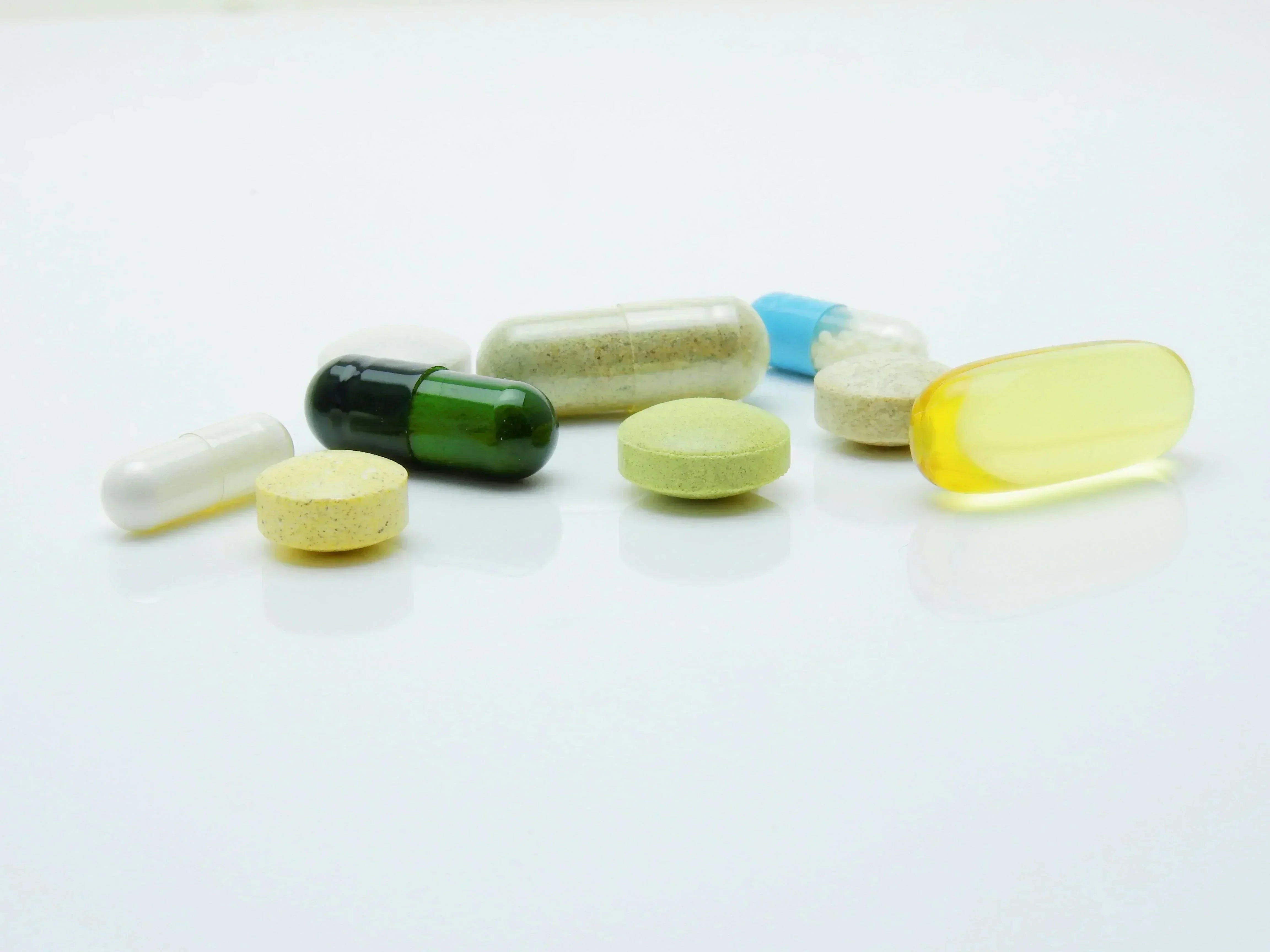

Testosterone boosters promise to increase well-being, muscle mass, and energy levels, but what's really behind the hype surrounding these boosters? This article examines the scientific findings and helps you make an informed decision.
Testosterone boosters have gained considerable popularity in recent years. They promise to improve well-being, increase muscle mass, and boost overall energy levels. While some consider these supplements a waste of money, others report noticeably positive effects ( Morgado et al., 2023 ). So what's behind this trend and the hype surrounding these products? In this article, we'll explore the background, examine the scientific findings, and help you make an informed decision. Want to know your testosterone level? Click here.
What does science say?
The research on testosterone boosters is generally limited and sometimes contradictory ( Kuchakulla et al., 2020 ). We have summarized the available scientific findings for you to provide the clearest possible overview. An important note beforehand: Testosterone boosters should not be considered a substitute for medical treatment. Supplements can be supportive, but they are not a replacement for sound medical therapy and should always be discussed with a doctor before use. Below, we will address the individual aspects and studies for the different categories.
The main categories of testosterone boosters
The various boosters can be roughly divided into three main categories: herbal testosterone boosters, mineral and vitamin supplements, and amino acid supplements.

Plant and root extracts
Herbal preparations such as Tribulus Terrestris, Curcumin, and Fenugreek are associated with a potential testosterone-boosting effect. So-called adaptogens like Ashwagandha, Ginseng, and Tongkat Ali are said to support the body in coping with stress and thus indirectly have a positive influence on testosterone levels. We will discuss the current state of research in more detail below.
Tribulus Terrestris
Tribulus terrestris, also known as common or puncture vine, is a plant species from the family Zygophyllaceae, which is widespread in tropical and subtropical countries in Asia, Africa, southern Europe and northern Australia.
Individual case reports often praise Tribulus terrestris for its benefits. However, despite several scientific studies, no significant effects have yet been demonstrated. A randomized, placebo-controlled trial from 2021 found no significant results regarding the efficacy of Tribulus ( Fernández-Lázaro et al., 2021 ). A comprehensive systematic review also confirms that there is currently no robust evidence for the benefits of Tribulus terrestris ( Fernández-Lázaro et al., 2022 ).
Curcurmin
Curcumin, the active ingredient in turmeric root, is valued for its antioxidant, anti-inflammatory, and anti-apoptotic properties. There is evidence that curcumin may offer various health benefits, particularly regarding male reproductive health.
Animal studies have shown that curcumin supplementation can improve testicular function and sperm quality. Improvements in hemodynamics, volume, and tissue structure were observed ( El-Sherbiny et al., 2022 ). Another study in mice subjected to hormonal stress using cortisone also showed positive effects of curcumin on testicular function ( Zhang et al., 2024 ).
Despite these promising results, the overall body of research is still limited and primarily based on animal studies. Further research is needed to fully confirm the benefits of curcumin for men's health.
Fenugreek (fenugreek), test oven
Fenugreek, also known as fenugreek, and the extract Testofen derived from it are often promoted for their positive effects on men's health. While some studies point to potential benefits, there are also important warnings that should be considered:
- Improvement of muscle performance: A systematic review from 2023 showed that Testofen can have positive effects on muscle strength and performance ( Albaker, 2023 ).
- Increased testosterone levels : A double-blind, randomized controlled trial has shown that Testofen can potentially have a positive effect on testosterone levels and the symptoms of androgen deficiency ( Rao et al., 2016 ). Test your testosterone level now.
A systematic review from 2021 summarized existing studies on fenugreek and testofen, identifying some positive effects but also highlighting the need for further research ( Smith et al., 2021 ). Overall, while the available studies show positive indications of the effects of fenugreek and testosterone, particularly regarding muscle performance and testosterone levels, it also emphasizes the importance of being aware of potential side effects and risks to the liver and kidneys ( Albaker, 2023 ). Therefore, careful consideration and consultation with a physician are advisable.
Maca root (Lepidium meyenii)
The available research on maca and its effects on men's health is mixed and inconsistent. A 12-week, double-blind, placebo-controlled, randomized study showed that maca improved sexual desire from the eighth week of treatment onward, but had no effect on serum testosterone levels (Gonzales et al., 2002 ). A similar study concluded that maca has no effect on blood testosterone levels ( G. Gonzales et al., 2003 ).
In another randomized, double-blind, placebo-controlled trial with 80 participants, significant improvements in the symptoms of late-onset hypogonadism (symptoms of testosterone deficiency) were observed in the maca-treated group ( Shin et al., 2023 ). A review of the literature from 2000 to 2019 showed that maca may have positive effects on semen quality and quantity. However, the mechanisms of action of maca remain unclear, and further studies are needed to determine its precise effects and functions ( Tafuri et al., 2019 ).
Ashwagandha (Withania somnifera)
Ashwagandha, also known as Withania somnifera or Indian ginseng, is an adaptogenic herb that has been used in traditional Ayurvedic medicine for centuries to help people cope with stress and become more adaptable. It is often praised for its numerous health benefits, including supporting testosterone levels and improving overall physical and mental health. But what does science say about these claims?
- Stress and anxiety reduction: Ashwagandha is known for its stress-relieving properties. A randomized, double-blind study found that participants taking ashwagandha had significantly lower cortisol levels and fewer stress symptoms compared to the placebo group ( Chandrasekhar et al., 2012 ). A systematic review confirmed that ashwagandha can significantly reduce stress and anxiety ( Akhgarjand et al., 2022 ). In this article, you'll learn everything you need to know about stress reduction.
- Improved athletic performance: Some studies suggest that ashwagandha can increase muscle strength and mass. A randomized, double-blind study found that participants taking ashwagandha showed significantly greater strength gains and muscle growth after eight weeks of resistance training. Furthermore, the ashwagandha group experienced a greater increase in testosterone levels and a greater reduction in body fat percentage during the observation period ( Wankhede et al., 2015 ).
- Improving sleep quality: A 2021 systematic review analyzing five randomized controlled trials showed a small but significant positive effect of ashwagandha on sleep quality ( Cheah et al., 2021 ). This blog post provides more information on sleep and testosterone.
- Increased testosterone levels: Ashwagandha is often promoted as a natural testosterone booster. Some studies have found that it can improve testosterone levels and fertility in men ( Smith et al., 2021 ). A randomized, placebo-controlled study with 46 infertile men showed that ashwagandha can significantly improve testosterone levels and sperm quality ( Ambiye et al., 2013 ).
Ashwagandha is the most extensively researched herbal testosterone booster to date. Despite these positive results, it is important to conduct further large-scale studies to fully understand the long-term effects of ashwagandha. The literature is currently limited and not always consistent, but it shows clear positive signals ( Morgado et al., 2023 ). As with all dietary supplements, its use should be discussed with a doctor to avoid potential interactions and side effects.
ginseng
Research on ginseng and its effects on testosterone levels is still limited and yields conflicting results. A systematic review from 2021 found only one out of seven studies that demonstrated a positive effect of ginseng on testosterone concentration in men ( Smith et al., 2021 ).
However, there is evidence of other positive effects of ginseng. One study showed that ginseng intake can lower cortisol levels in adults with high levels of work-related stress ( Flanagan et al., 2018 ). A systematic review found that ginseng has antidiabetic properties, particularly in individuals with type 2 diabetes ( Chen et al., 2019 ).
In summary, the evidence regarding testosterone enhancement through ginseng remains insufficient and inconsistent. Further research is needed to better understand the potential benefits and mechanisms.
Tongkat Ali (Eurycoma longifolia)
In Southeast Asia, Eurycoma longifolia Jack, also known as 'Malaysian ginseng' or Tongkat Ali, is used to combat stress and illness and to improve physical strength. The roots of this plant are said to have aphrodisiac properties and to increase testosterone levels.
One study showed that treating patients with late-onset hypogonadism, i.e., symptoms of testosterone deficiency, with a Tongkat Ali extract improved symptoms and significantly increased blood testosterone levels ( Tambi et al., 2011 ). Two systematic reviews support the potential use of Eurycoma longifolia to boost testosterone production. Although more research is needed before it can be used in clinical practice, it could represent a safe and promising therapeutic option, particularly for hypogonadal men ( Leisegang et al., 2022 ; Morgado et al., 2023 ).
The literature on Tongkat Ali is currently limited and not always consistent. However, similar to Ashwagandha, there are clearly positive indications ( Morgado et al., 2023 ). As with all dietary supplements, its use should be discussed with a doctor to avoid potential interactions and side effects.
Summary of plant and root extracts
The literature on Tongkat Ali and Ashwagandha shows the strongest positive signals among herbal testosterone boosters. Supplements based on these preparations may be an option for alleviating the symptoms of testosterone deficiency, particularly in hypogonadal men ( Leisegang et al., 2022 ; Morgado et al., 2023 ). It is important to note that the effects of herbal testosterone boosters are individual, and not everyone benefits equally. The overall body of research on these substances is limited. Further research is needed to fully confirm their efficacy and safety. Some substances carry the potential risk of side effects.
Even though herbal boosters can have positive effects on testosterone levels and the symptoms of testosterone deficiency, they do not constitute a sole basis for therapy; rather, they can be used as a complementary treatment. A manifest testosterone deficiency should always be medically evaluated and treated according to guidelines, for example, with testosterone replacement therapy (TRT). You can learn why the blood test is the gold standard for testosterone testing in this blog article.

Minerals and vitamins
Essential minerals and vitamins such as zinc, magnesium, and vitamin D are important for overall health. A deficiency can have serious health consequences. But how are they related to testosterone levels?
zinc
Zinc is crucial for maintaining healthy testosterone levels. A large systematic review has shown that zinc deficiency can lower testosterone levels, while zinc supplementation can raise them. The effect of zinc on blood testosterone levels can vary depending on baseline zinc and testosterone levels, the dosage form, dose, and duration of supplementation. Overall, a positive correlation has been found between zinc concentration and total blood testosterone, and moderate supplementation may play an important role in improving androgen levels ( Te et al., 2023 ). Furthermore, zinc deficiency can have serious health consequences, including growth retardation, impaired immune function, and cognitive impairment. Zinc also acts as an antioxidant and anti-inflammatory agent ( Prasad, 2013 ). The available research suggests that zinc supplementation is a promising way to support healthy testosterone levels.
magnesium
Magnesium is another essential mineral that plays an important role in health. However, the research on the effect of magnesium on testosterone levels is still insufficient ( Morgado et al., 2023 ). There is evidence that magnesium can improve sleep quality, which in turn could have positive effects on testosterone levels, as chronic sleep problems are often associated with low testosterone. For example, a systematic review showed an association between magnesium levels and sleep quality (e.g., daytime sleepiness, sleepiness, snoring, and sleep duration) in observational studies ( Arab et al., 2022 ).
In summary, adequate magnesium intake could improve sleep quality, which may indirectly have a positive effect on testosterone levels. However, the direct effect of magnesium on testosterone has not yet been sufficiently researched.
Vitamin D
Vitamin D plays a vital role in overall health and may also affect testosterone levels. However, the evidence regarding a direct effect on testosterone is heterogeneous and unclear. Some studies show a positive correlation between vitamin D levels and testosterone, while others have found no significant association ( Monson et al., 2023 ). To provide definitive evidence for a direct influence of vitamin D on testosterone, further well-designed, long-term studies involving diverse populations are needed ( Morgado et al., 2023 ).
Severe vitamin D deficiency drastically increases the risk of mortality, infections, and many other diseases and should therefore be avoided. The data on the benefits of vitamin D regarding mortality and infection prevention, at least in cases of deficiency, are compelling ( Amrein et al., 2020 ).
Although the literature on the effect of vitamin D on testosterone levels is inconsistent, there is evidence that a deficiency can lead to a reduction in testosterone. Vitamin D supplementation may be beneficial as a preventative measure, since many people are deficient in this important vitamin. However, supplementation should always be discussed with a doctor to ensure optimal results and avoid potential side effects.
Summary of minerals and vitamins
Essential minerals and vitamins such as zinc, magnesium, and vitamin D are important for overall health and can also have a positive effect on testosterone levels. Taking zinc, magnesium, and vitamin D may have potentially positive effects on testosterone levels and general health. However, supplementation should always be discussed with a doctor.
Amino acids
Amino acids like D-aspartic acid and L-arginine are said to have a positive effect on testosterone levels. Is that true?
D-Aspartic acid
D-Aspartic acid (DAA) is an amino acid currently considered one of the most widely marketed testosterone boosters. However, two randomized controlled trials (RCTs) in young male athletes showed that taking 3 g of DAA per day did not result in a significant increase in testosterone levels compared to baseline or placebo ( Morgado et al., 2023 ).
L-Arginine
L-arginine is another amino acid frequently found in testosterone boosters. A systematic review from 2020 did not reach a clear conclusion regarding a direct testosterone-boosting effect, although there were some positive indications of a weak but beneficial effect. However, there is significant evidence for positive effects of L-arginine on the symptoms of erectile dysfunction ( Kuchakulla et al., 2020 ).
Summary of amino acids
The research on amino acids like D-aspartic acid and L-arginine as testosterone boosters is inconsistent and, overall, shows no convincing evidence of a significant effect on testosterone levels. Further well-designed studies are needed to confirm their actual effectiveness. As with all dietary supplements, their use should always be discussed with a doctor.

Our conclusion, your knowledge
The effect of testosterone boosters on hormone levels in the blood is still not well understood scientifically. However, there is now promising, solid evidence for the effectiveness of supplementation, especially with Tongkat Ali, Ashwagandha, and zinc. Supplements containing these ingredients can therefore, within certain limits, contribute to increasing testosterone levels. However, they should not be considered a panacea or the basis of therapy. In cases of clinically relevant testosterone deficiency, they cannot be considered an alternative to testosterone replacement therapy (TRT), but rather should be used as a supplement. If you experience symptoms of testosterone deficiency or suspect clinical hypogonadism, you should definitely consult a doctor and explore all treatment options.
Vitamin D and magnesium supplementation can be beneficial for general health reasons, although studies have not yet demonstrated a direct link to an increase in testosterone levels. The use of testosterone boosters and other dietary supplements should always be discussed with a doctor to ensure optimal results and avoid possible side effects.
Although testosterone boosters can be a useful addition, the crucial basis for a normal testosterone level is a healthy lifestyle with sufficient sleep, a healthy diet, regular exercise and good stress management.
You can find more details in our blog post “ Top 8 ways to naturally boost testosterone: Maximizing therapy results through healthy habits ”.

User review: Testosterone boosters in capsule form – useful or just hype?
David, 37, is a passionate athlete and works full-time in shifts. For some time now, he has often felt lethargic, despite regular training , a balanced diet , and an active lifestyle. A blood test revealed that his testosterone level was in the lower end of the normal range.
Hoping to increase his energy , muscle growth and performance, David resorted to so-called testosterone boosters in capsule form: a mix of zinc , magnesium , plant extracts and other natural substances.
"The promises sounded good : more power in sports , better regeneration, more testosterone - all through a few dietary supplements . But after 3 months I was disappointed. My testosterone level had hardly changed."
A closer look at the ingredients revealed that while vitamin D, zinc , and magnesium were present , in many cases the dosage was too low or they had poor bioavailability. Furthermore, medical supervision was lacking.
Only with a structured approach, consisting of personalized nutrition , targeted supplementation , medical supervision, and consistent training, did David begin to see progress again. Today, he pays attention to high-quality capsules , prefers individually formulated supplements , and has his health checked regularly.
"I've learned that a booster alone is useless. The combination of exercise , nutrition , lifestyle, and medical supervision makes all the difference."
David's experience shows what many men underestimate: Not everyone feels the effects of testosterone boosters , even if they are high-quality and contain all " natural " ingredients.
Those who exercise regularly, pay close attention to their diet , and yet still struggle with symptoms such as exhaustion, lack of energy , or stagnant muscle growth should take it a step further:
A medical blood test is often the most important first step to objectively assess one's own testosterone levels and possible deficiencies (e.g., in zinc , magnesium , vitamin D).
Many commercially available capsules rely on a mix of dietary supplements, but without a laboratory diagnosis, it remains unclear what the body is truly lacking. High-dose boosters or generic offers are of no help if, for example, an underactive thyroid, chronic stress, or a genuine testosterone deficiency (hypogonadism) is present.
In such cases, medically supervised testosterone replacement therapy (TRT) can be a sensible next step, especially if lifestyle modifications alone are insufficient. Modern TRT is often combined with nutritional supplements, targeted exercise , and regular laboratory monitoring.
You can find more information about the process of TRT in our blog article "Testosterone therapy: Everything you need to know" .


