




Intro

1.1. Expert presentation
What do we want to teach you in this course, and what qualifies us to do so? To answer these questions, our men's health experts, Prof. Dr. Zitzmann and Dr. Jonathan Apasu, introduce themselves personally in this video.

1.2. Course content
This course provides a comprehensive overview of fundamental concepts and their practical application in everyday life. From theoretical basics to advanced topics, you will receive clear explanations that will help you not only understand the content but also apply it practically to optimize your hormonal health.

1.3. Disclaimer
View here
Intro
This module provides a comprehensive overview of the hormone testosterone. You will learn about its functions in the body, how and where it is produced, and which factors influence its production. We will also examine its regulation by the brain and its interactions with other molecules. By the end of this module, you will have a better understanding of why testosterone is so important for hormonal balance and overall health.
What is testosterone?
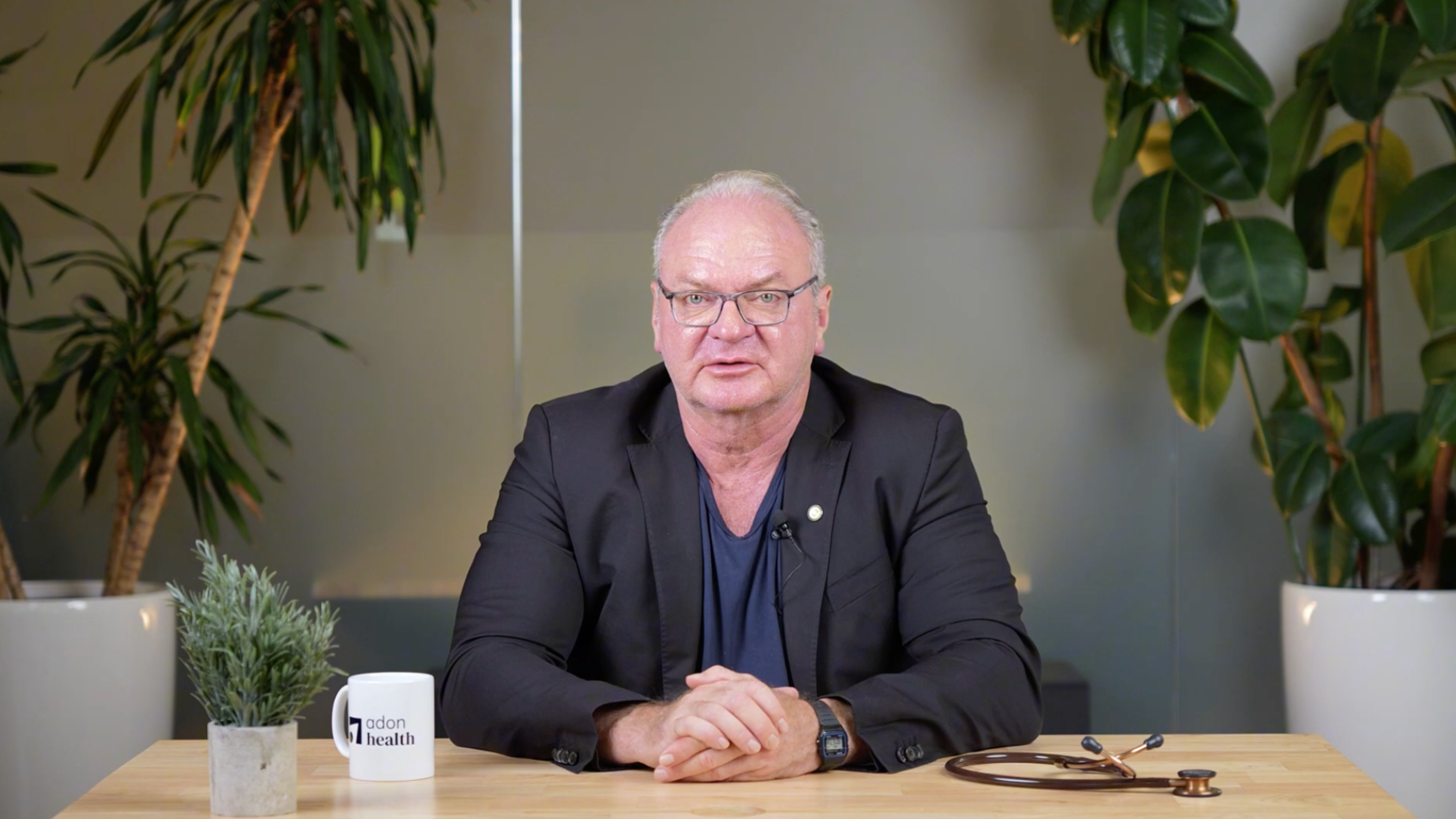
Testosterone, estrogen, adrenaline, insulin – are these terms familiar to you, or are you hearing them for the first time? In this course, Professor Dr. Zitzmann will explain exactly what hormones are and how they work in the body. You will learn in particular about the specific role testosterone plays, its effects on various bodily functions, and why a balanced hormone level is important for well-being and health.
Where, how, and when is testosterone produced?
This video explains testosterone production in detail. You'll learn in which part of the body the hormone is produced, which complex biological mechanisms control this process, and at what times of day production is particularly active. Furthermore, you'll learn how your testosterone levels depend on your age.
The role of the brain in testosterone production
The brain plays a crucial role in testosterone production, as it controls the entire process. In this video, you'll learn which specific brain regions perform an important function and how they send signals to stimulate or regulate hormone production. It explains how the brain and hormone glands interact and why healthy brain function is so important for stable testosterone levels.
Testosterone and its interactions
Testosterone and its interactions are a fascinating topic, which is covered in detail in this video. You will learn which other molecules testosterone interacts with in the body and how these interactions affect various bodily functions. The video also explains which other molecules testosterone can be converted into, such as estrogen or dihydrotestosterone (DHT), and the significance of these conversions for hormonal balance and health.
Outro

Intro
In this module, you will learn how testosterone deficiency affects the body, how common it is, and which risk factors contribute to it. You will also learn about the various causes – from age-related changes to medical and lifestyle-related influences. Finally, the three main forms of hypogonadism will be explained so that you understand the differences and can better classify testosterone deficiency.
Symptoms of testosterone deficiency
Symptoms of testosterone deficiency can be varied and often distressing. In this video, Professor Dr. Zitzmann uses a patient example to illustrate typical signs of a deficiency and how it affects the body. You'll learn how symptoms such as fatigue, lack of motivation, reduced muscle mass, and mood swings are related to low testosterone levels and what long-term effects a deficiency can have on overall health.
Frequency of testosterone deficiency
Testosterone deficiency is more common than many people realize and affects certain groups more frequently. In this video, Professor Dr. Zitzmann explains just how widespread testosterone deficiency actually is and which factors can increase the risk. You'll learn which age groups are particularly affected and which lifestyle or health factors influence testosterone levels.
Causes of testosterone deficiency
The causes of testosterone deficiency can be varied and are often linked to complex biological processes. This video clearly explains why a testosterone deficiency can occur in the body. You will learn about the different medical causes, such as hormonal changes with age, genetic factors, chronic illnesses, and lifestyle influences that can affect testosterone levels. Professor Dr. Zitzmann guides you through the background of these causes and shows how they affect hormone production.
Primary, secondary and functional hypogonadism
Primary, secondary, and functional hypogonadism—don't worry if these terms are new to you. In this video, Professor Dr. Zitzmann explains these different forms of hypogonadism in an easy-to-understand way and how they differ from one another. You'll learn how primary hypogonadism is directly caused by a malfunction of the testicles, while secondary hypogonadism originates in the brain, specifically in the pituitary gland or hypothalamus. Functional hypogonadism, which can be caused by factors such as stress or certain lifestyle habits, is also discussed.
Outro
Intro
In this module, you'll learn how to diagnose testosterone deficiency. You'll discover which tests and examinations are necessary and how a sample patient is guided through the diagnostic process. We'll also introduce you to the AMS questionnaire – a helpful tool for initial assessment. By the end, you'll know exactly what steps are involved in diagnosis and how to interpret the results.
The diagnostic process
What exactly does the diagnostic process for a possible testosterone deficiency entail? This video explains in detail the steps involved, from blood draws and consultations to the investigation of the underlying causes. First, it explains when and how the blood sample is taken to obtain the most accurate results. Then, you'll learn how the results are discussed and analyzed during the consultation. This includes investigating the causes to identify individual factors and potential triggers for a testosterone deficiency, thus enabling targeted treatment.
The diagnostic process using a patient as an example
In this video, Prof. Dr. Zitzmann uses a sample patient to demonstrate the diagnostic process explained earlier. You will see how the steps – from the initial blood draw and detailed discussion of the results to the analysis of the underlying causes – are implemented in practice. This case study illustrates how individualized the diagnosis is and which specific factors are considered when assessing testosterone deficiency in order to prepare for targeted therapy.
The AMS questionnaire
The AMS questionnaire is a simple and effective tool for assessing whether a testosterone deficiency might be present, based on typical symptoms. In just a few minutes, symptoms such as fatigue, mood swings, or physical changes that could indicate low testosterone levels can be recorded. You can download the questionnaire using the following link and easily complete it yourself: AMS Questionnaire.
Outro
Module 4
4.1. Intro
This module provides an overview of testosterone replacement therapy (TRT). You will learn when and why it is used, the different administration methods, and the expected results. You will also learn how TRT is monitored, what potential side effects may occur, and what alternative treatment options are available.

4.2. Overview of Testosterone Replacement Therapy (TRT)
TRT is often misunderstood and sometimes even confused with doping – but that's a mistake! In this video, Prof. Dr. Zitzmann destigmatizes TRT and explains why it can be an effective and necessary treatment for medically confirmed testosterone deficiency. He points out that lifestyle changes alone are sometimes not enough to restore hormone levels and explains how the therapy is used in a targeted way to alleviate symptoms and sustainably improve well-being.
4.3. Ways to administer TRT
This video explains the different methods available for administering testosterone replacement therapy (TRT) and how they differ. You'll learn about the advantages and disadvantages of injections, gels, patches, and other forms to help you choose the right method for your individual needs. This information will help you and your doctor make an informed decision and find the therapy that best suits your lifestyle and health requirements.
4.4. Typical results of TRT
What results can I expect from testosterone replacement therapy, and when will I see initial results? Professor Dr. Zitzmann answers this important question in this video. You'll learn how the therapy affects energy, mood, muscle strength, and other aspects of your well-being, and within what timeframe you can expect to notice initial changes. Professor Zitzmann discusses both short- and long-term effects, so you'll know exactly what to realistically expect and how progress will be evident throughout the course of therapy.
4.5. Monitoring of a TRT
In this video, you'll learn how testosterone replacement therapy (TRT) is monitored and which parameters should be checked regularly. Professor Dr. Zitzmann explains which values in the blood test are particularly important—such as testosterone levels, hematocrit, and liver function—and how these results can be interpreted together with your doctor. This will give you a clear overview of how the therapy can be optimally managed and individually adjusted to achieve the best possible results with minimal side effects.
4.6. Possible side effects and minimization
What side effects can occur with testosterone replacement therapy (TRT), and how severe might they be? Professor Dr. Zitzmann addresses these questions in detail in this video. You'll learn about the possible side effects, how frequently they occur, and their typical extent. Professor Zitzmann also explains what measures can be taken to minimize risks and ensure that the therapy is as safe and tolerable as possible for you.
4.7. Contraindications
In certain specific cases, testosterone replacement therapy (TRT) is not recommended. This video explains when TRT is not advised and which factors are considered when making this decision. After this explanation, you will know whether this therapy is theoretically suitable for you or whether certain health conditions require a different approach. Professor Dr. Zitzmann will help you understand potential exclusion criteria and, together with your doctor, make an informed decision.
4.8. Lifestyle changes
In this video, Professor Dr. Zitzmann shows you what steps you can take to naturally support your testosterone levels. You'll learn how nutrition, exercise, sleep, and stress management can contribute to better hormonal balance and which specific adjustments have a particularly positive effect. You'll receive helpful tips on how to actively influence your well-being and hormonal balance through your daily life.
4.9. Stress Management & Sleep Hygiene
Stress and lack of sleep can significantly affect hormone levels and thus negatively impact your testosterone levels. In this video, you'll learn what to pay attention to in order to counteract these factors. Professor Dr. Zitzmann shows you which behavioral patterns and habits have a positive effect on your hormonal balance and how you can effectively reduce stress and improve your sleep quality. After watching this video, you'll know how important a healthy lifestyle is for stable testosterone levels and what steps you can take in your daily life to boost your well-being.
4.10. Dietary supplements
Dietary supplements are often touted as miracle cures – but which ones actually affect testosterone levels? In this video, Prof. Dr. Zitzmann explains which supplements can be beneficial and what effects they actually have. You'll learn which vitamins, minerals, and other substances have been scientifically proven to support testosterone levels. This will give you a realistic picture of which supplements could truly help you and how best to integrate them into your daily routine.
4.11. Outro
View here
Outro
5.1. Thank you very much
In the exclusive bonus module, you'll find exciting additional topics about testosterone. We debunk myths, answer frequently asked questions, and take a look at the "male contraceptive pill." You'll also learn more about alternative treatment options to traditional TRT.
5.2. The stigma surrounding testosterone
Testosterone often has a one-sided reputation, primarily focused on sex or muscle building. But this is a misconception, because testosterone is a natural and essential hormone that fulfills many other important functions in the human body. In this video, Prof. Dr. Zitzmann demystifies the topic of testosterone and explains why it goes far beyond the typical clichés. He also discusses the role of testosterone in strength training and explains how the hormone affects the body when administered in excessively high doses.
5.3. 5 frequently asked questions about testosterone deficiency and TRT
Recent research has shown that testosterone, in combination with certain other substances, can temporarily stop a man's sperm production. This video explains exactly how this process works and which biological mechanisms are involved. It also discusses potential side effects and the long-term impact on health and fertility, giving you a comprehensive understanding of the opportunities and risks of this method.
5.3. The male contraceptive pill
Recent research has shown that testosterone, in combination with certain other substances, can temporarily stop a man's sperm production. This video explains exactly how this process works and which biological mechanisms are involved. It also discusses potential side effects and the long-term impact on health and fertility, giving you a comprehensive understanding of the opportunities and risks of this method.
5.4. Alternatives to TRT
There are alternatives to direct testosterone administration, such as the administration of other hormones to influence hormone levels. Hormones like hCG, LH, or FSH can be used to stimulate natural testosterone levels. In this video, Prof. Dr. Zitzmann explains which off-label medications can be used, how they work in the body, and for which patients these approaches might be particularly suitable. This provides valuable insights into alternative therapies and their specific advantages and mechanisms of action.