





What matters most in many men's New Year's resolutions
For many men, the turn of the year is not a loud new beginning, but a quiet moment of honesty.
Looking back, one notices dissatisfaction, physical inertia or mental exhaustion and wonders why, despite exercise, working on oneself and discipline, the feeling of clarity and energy that one actually expects does not arise.
Many men have "done everything right." And yet, they still don't get the desired result. Perhaps the problem isn't a lack of discipline.
But rather because the crucial levers are not working together properly .
Conversations with doctors, sports scientists, and men from different phases of life repeatedly reveal three factors that determine whether a fresh start is successful in the long term or fizzles out again after a few weeks. The third point, in particular, often surprises men.
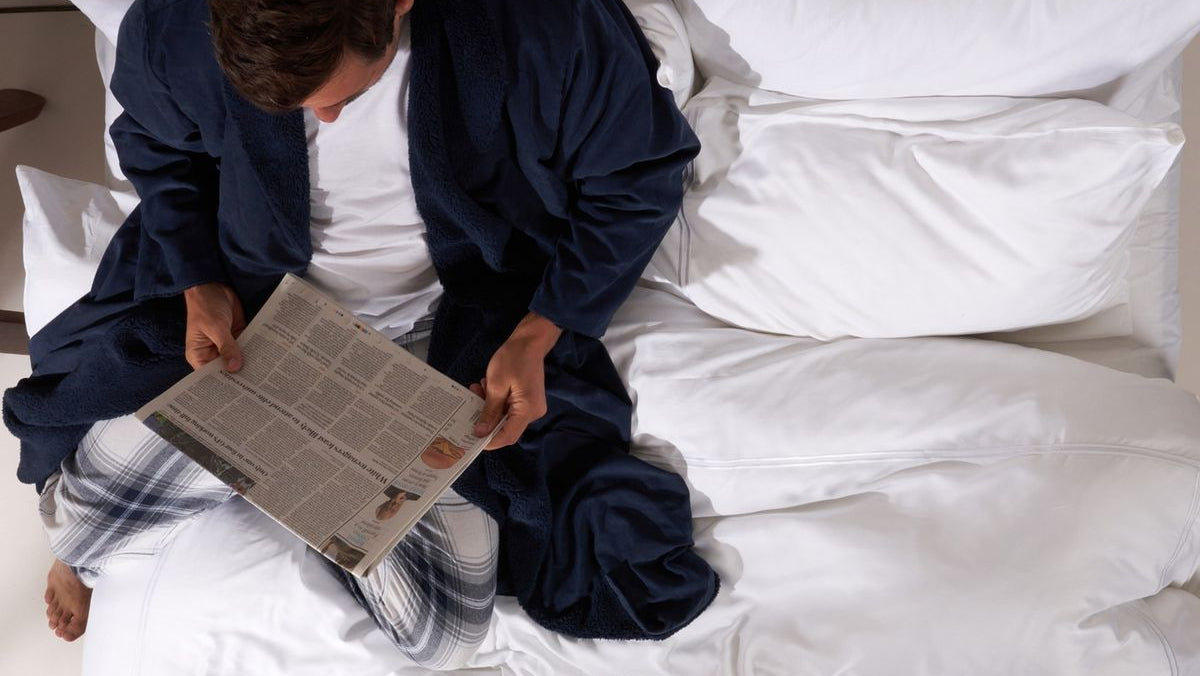
"I get enough sleep" is one of the most common phrases men say. And at the same time, one of the most misleading. Sleep is not a passive state. It is a highly active regenerative process. Two things play a particularly important role in this process for men, and they are often overlooked:
- Timing: Late bedtimes delay hormonal regeneration phases
- Depth: Stress, alcohol, or screen time reduce the amount of deep sleep.
The result: Waking up without real rest, mental fatigue despite 7-8 hours of sleep, and a drop in performance in the afternoon.
Many men report that they only make progress when they stop viewing sleep merely as a "time bank" and begin to understand it as a biological process. A fresh start in January therefore doesn't mean going to bed earlier at all costs . Rather, it means understanding why sleep no longer performs as it used to.

For many men, exercise is the first thing they think about in January. More workouts. More intensity. More discipline. But this is precisely where a paradox often arises: The body gets fitter, but the man feels less energetic. The reason rarely lies in the exercise itself, but rather in the interplay between exertion, recovery, and inner resilience .
Typical patterns:
- Lots of training, but hardly any real recovery
- High everyday stress + intensive exercise = chronic strain
- Progress is stagnating despite high levels of effort.
Men over 35 especially notice that their bodies are more sensitive. Training no longer works in isolation, but rather amplifies what's already present in the system, either positively or negatively. A sustainable restart, therefore, isn't about: "How do I train harder?", but rather: "What does my body really need right now?"
The third factor is often postponed or avoided altogether: a structured look at one's own hormonal health. Not because men don't consider it important, but because many are afraid of the results or of drawing hasty conclusions. However, a check-up is not about diagnosis or treatment.
But it's about guidance . A good health check can show:
- How the body is currently regulating
- Whether exhaustion is explainable
- Whether training and sleep fall on fertile ground
- Or whether certain values slow down the adaptation.
This includes hormone levels , but not in isolation , rather within the overall context. Many men report in retrospect: "Only when I knew my levels did I understand why my healthy lifestyle never really paid off."
The lifestyle lab test from Adon Health addresses precisely this issue. It allows users to easily measure relevant hormone levels from the comfort of their own home, regardless of their location. The results are presented clearly and can be discussed in an optional, paid consultation with independent partner physicians . If medical treatment is deemed necessary, the physician can independently decide on further steps and, if appropriate, initiate therapy such as testosterone replacement therapy (TRT) . This eliminates pressure to make a decision and provides a sound basis for medically appropriate choices.
Your fresh start with us - 10% discount until 31.01.2026


Why January is a special moment
The turn of the year opens a psychological window: people reflect more honestly, old attempts from recent years are present, and the willingness to look for causes instead of blame is higher.
The crucial question is therefore not: "How can I become more disciplined?" but rather: "Am I working with my body or against it?"
A calm restart instead of the next radical solution
What many men are no longer looking for today is:
- The next 30-day plan
- The next challenge
- The next extreme routine
Rather:
- Understanding
- Measurability
- A sound basis for decisions
Sleep, exercise, and an honest hormone check all work together. None of these factors works in isolation. But together they determine whether energy, focus, and performance truly change, or whether January simply marks the beginning of another chapter in old patterns.
Further information
Adon Health is a digital platform for men's health. It offers men the opportunity to analyze their health and hormone levels in a structured way and, if needed, discuss them with independent doctors. Adon Health itself does not provide medical treatment.
Here you will find further information on sleep, training and health checks for men.
Do you have any questions?
Here is an overview of the most frequently asked questions and answers.
What are the symptoms of low testosterone levels?
What are the symptoms of low testosterone levels?
Possible symptoms of low testosterone levels or testosterone deficiency include:
1. Reduced sex drive/libido
2. Erectile dysfunction/decrease in morning erections
3. Decline in cognitive performance
4. Fatigue/Exhaustion
5. Loss of muscle mass/decline in athletic performance
6. Increase in body fat/increased waist circumference
7. Reduced body hair
8. Lack of motivation and depressive mood
9. General mood swings
10. Sleep problems/ restless sleep
For whom is testosterone replacement therapy suitable?
For whom is testosterone replacement therapy suitable?
Testosterone replacement therapy may be suitable for men of any age with low or borderline low testosterone levels who exhibit signs and symptoms of hypogonadism and for whom contraindications to therapy have been medically ruled out.
What are the benefits of testosterone replacement therapy?
What are the benefits of testosterone replacement therapy?
Testosterone replacement therapy (TRT) offers a number of potential benefits, particularly for men with clinically diagnosed testosterone deficiency. It is important to emphasize that TRT should only be used in cases of diagnosed testosterone deficiency and under medical supervision. Potential key benefits include:
1. Improved libido and sexual function: One of the most common effects of testosterone deficiency is a decrease in libido or sexual desire. TRT can help improve sexual desire and erectile function, which can lead to a more satisfying sex life.
2. Increased energy and overall well-being: Low testosterone levels can lead to fatigue, lack of energy, and a general feeling of malaise. Many men report increased energy and an improved quality of life after starting TRT.
3. Improvement of muscle mass and body composition: Testosterone plays a key role in building and maintaining muscle mass. TRT can increase muscle mass and reduce body fat percentage, especially when combined with regular exercise.
4. Positive effects on bone density: Testosterone contributes to bone health, and a deficiency can lead to a decrease in bone density. TRT can help increase bone density and reduce the risk of osteoporosis and fractures.
5. Improved mood and mental clarity: Testosterone deficiency can lead to mood swings, irritability, and difficulty concentrating. Normalizing testosterone levels can alleviate these symptoms, contributing to better mental clarity and a more stable mood.
6. Possible positive effects on the cardiovascular system: Some studies suggest that well-monitored TRT may have positive effects on the cardiovascular system, although research in this area is not yet complete.